This is a guide to Lombok’s three dive areas. Two Fish Divers doesn’t operate in Lombok — our five centres are in Bali and North Sulawesi.
Lombok sits in the Nusa Tenggara region of Indonesia, and its diving splits into three distinct areas that have very little in common with each other. The Gili Islands off the north coast are easy, shallow and full of turtles. Belongas Bay in the south is serious big-fish diving for experienced divers only. And the “Secret Gilis” of Sekotong in the south-west are quiet, unspoiled critter diving that most visitors never reach.

Which one suits you depends entirely on what you want out of a dive. Here is what each area actually offers.
Lombok diving overview
Lombok is in a region renowned for world-class dive sites, dramatic scenery and extraordinary nature. From volcanic peaks down to the coral reefs, it is an area that rewards exploring above and below the water.
Experienced divers head for Belongas Bay or the Secret Gilis in South Lombok. The Gili Islands off the north coast offer easy dives and stunning beaches. And the southern Gilis — yes, there are two separate sets — hold some of the most diverse and pristine dive sites in Indonesia.
Whether you are newly certified or well travelled, Lombok’s sites and marine life are hard not to be impressed by.
Gili Air: tropical island diving
Palm-fringed white sand, and part of the Coral Triangle. Gili Air is known for good diving, healthy coral and a laid-back island pace.
The three Gili islands — Gili Air, Gili Meno and Gili Trawangan — have more than 20 dive sites between them, all close together and each with its own draw. Shark Point and Manta Point hold reef sharks. Coral Fan Garden brings groups of bumphead parrotfish.

And then there are the turtles. Sea turtles are so abundant around the Gilis that they are effectively part of the seascape — under corals, on top of corals, swimming, eating and sleeping. You will see several on almost every dive, and they are not shy.
On land, Gili Air is the place to drift away in a hammock.
Belongas Bay: seasonal hammerheads and mobulas
If you are an experienced diver after drifts and big-animal encounters, Belongas Bay belongs on your list. Hammerheads, mobula rays, white tip reef sharks, napoleon wrasse, barracuda and trevally all pass through.
The topography is the other half of the appeal: seamounts, pinnacles, slopes, drop-offs, and an underwater cave system that runs from one side of the famous Cathedral to the other.

The Magnet is the site Belongas is known for — a pinnacle rising out of deep water, frequently swept by strong current, and the site most associated with the seasonal hammerhead aggregations. Gili Sarang and the surrounding pinnacles carry the same character: exposed, current-driven, and not a place for a newly certified diver.
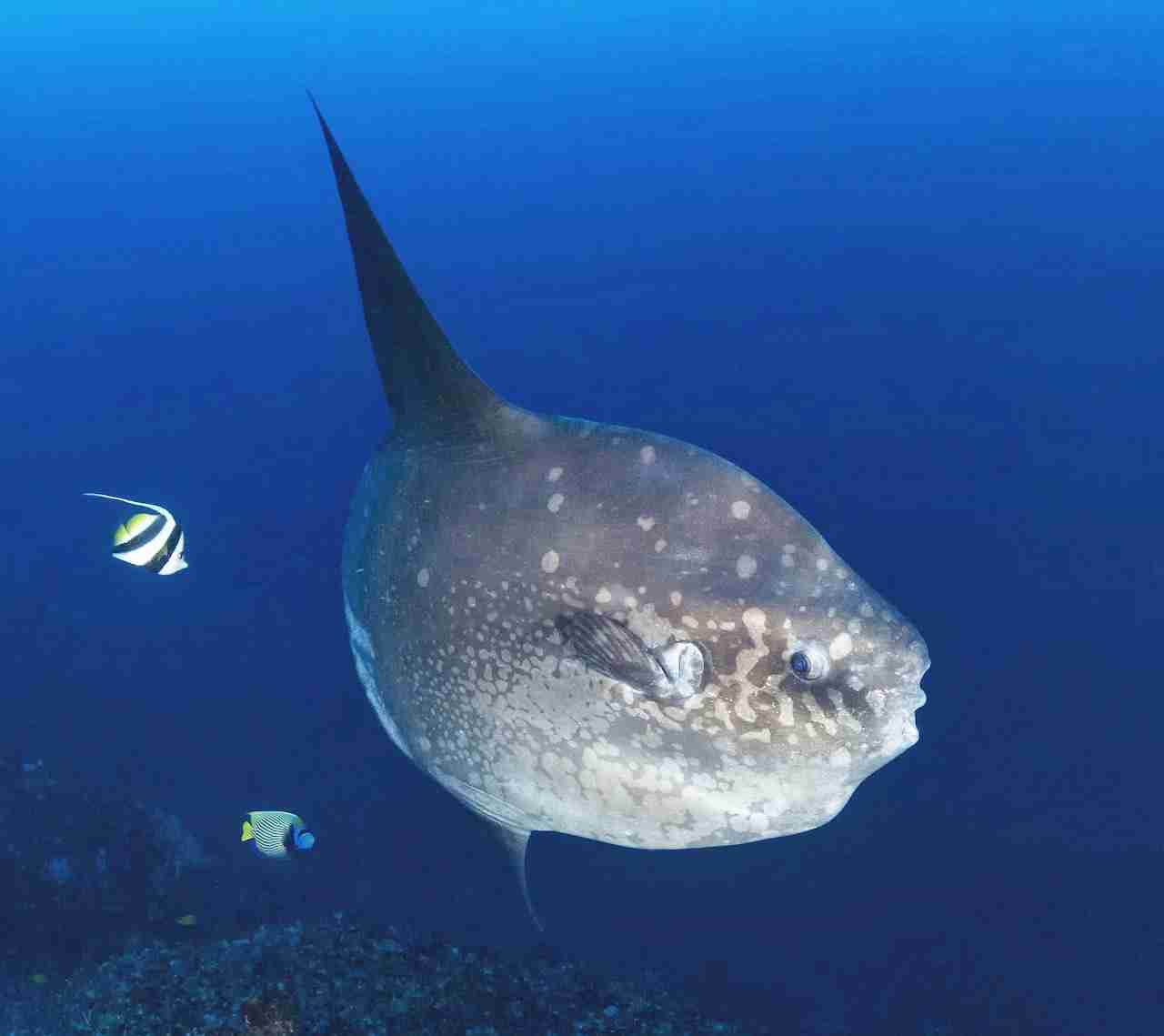
Marine life ranges from serious pelagics — mantas, whale sharks, mola mola, tuna, barracuda, blue marlin, eagle rays — through to ornate critters including nudibranch, harlequin shrimp, ghost pipefish, frogfish and hairy octopus.
When to go. Hammerheads school around the Magnet from late June until late October. Mobula rays and eagle rays peak in August and September — Gili Sarang and the surrounding pinnacles are the sites most associated with the schooling mobulas.
Conditions and who it suits. Belongas is an advanced destination. The Magnet rises from 80 metres in open sea, half an hour by boat from the bay. On a rough day a big surge can be felt down to 15 metres and deeper, and divers enter the water negatively buoyant and descend fast to 5–15 metres before working deeper. Currents are strong and can be down-welling, the sites are exposed, and surface conditions can turn. Operators have typically gated the Magnet at 100+ logged dives, and dive groups are put together on air consumption and experience rather than certification alone.
One diver’s description of the Magnet:
We were met with an unreal amount of soft and hard coral and a buzzing of fish in every direction, white tip reef sharks were on every side of us and then to have 7 eagle rays glide over the top of us! As we swam down the east side of the magnet to the south we were met with a wall of current between us and the new pinnacle. We had 40+ meter visibility so we could see the huge rocks rising out of the depths. As we turned back and started our ascent we were met with more white tips and trevallies who decided they needed a closer look at these strange divers.
South Lombok: the Secret Gilis of Sekotong
The Secret Gilis of Sekotong are not to be confused with the well-known Gilis in the north. This is marine biodiversity at its best, and far quieter.
Critter divers will not be disappointed: nudibranch including some endemic species, blue-ringed octopus, pygmy seahorses and frogfish. For larger life, look under the table corals for white tip reef sharks, and out into the blue for passing tuna and barracuda.

The reefs around Sekotong are unspoiled and rank among the most pristine in Indonesia. Lombok’s west coast also holds some genuinely good muck diving. It is a relatively unknown area that offers something for every kind of diver, and it is probably only a matter of time before the secret is out.
Where Two Fish Divers dive
Two Fish Divers is five PADI 5 Star Resorts and Dive Centers across Indonesia — Sanur, Amed and Nusa Penida in Bali, and Bunaken and Lembeh in North Sulawesi. We are not in Lombok.
If the Belongas description appealed to you, Nusa Penida is the closest thing we run to it: drift diving in real current, with manta rays year round and mola mola between July and October.
If the Sekotong critter diving is what caught your eye, Lembeh is the muck diving destination that Sekotong gets compared to, and Amed offers muck, macro, wreck and reef within a short run of the shop.
You can dive two or three of our centres on one trip and we handle the transfers and rooms in between. If you’re heading to Lombok, Bali is next door.